

Picture yourself in the tranquil waters of Hawaii, surrounded by the soothing sounds of nature.
Now, imagine adding the enchanting melodies of humpback whale songs to this peaceful setting. These special songs carry a sense of mystery that scientists are just starting to unravel, offering insights into the unique ways these majestic creatures communicate.
As you delve into the depths of Hawaiian waters, you'll uncover the mesmerizing world of humpback whale songs and the secrets hidden within their haunting tunes.
Key Takeaways
Let's immerse ourselves in the enchanting world of humpback whale songs in Hawaii and discover the magic behind their unique melodies and cultural significance. These majestic creatures use a variety of vocalizations to communicate, giving us a glimpse into their fascinating social interactions. Ongoing research and conservation efforts play a vital role in helping us appreciate and protect the beauty of humpback whale songs in Hawaiian waters. Let's delve deeper into the mesmerizing tunes these whales create and uncover the secrets they hold.
Humpback Whale Songs in Hawaiian Waters: An Overview
Humpback whale songs in Hawaiian waters showcase unique regional variations, serving as a special way for these ocean dwellers to communicate in the vast Pacific Ocean. These songs aren't just random noises; they're structured vocalizations that carry specific messages important for their social interactions, mating rituals, and potentially even navigation.
The melodies in Hawaiian humpback whale songs consist of a complex mix of moans, cries, and howls, lasting between 10 to 20 minutes. One of the most intriguing aspects of these songs is their continual evolution. Over time, the themes in the songs gradually change, and interestingly, all members of a group adapt to these modifications together. This synchronized evolution of the songs among humpback whales in Hawaii hints at a high level of communication and coordination within the population.
Furthermore, the low-frequency sounds of these humpback whale songs in Hawaiian waters can travel incredible distances, with some signals reaching up to 10,000 miles. This long-range transmission of vocalizations highlights the crucial role these songs play in long-distance communication among humpback whales in the Pacific Ocean. Scientists extensively study these unique Hawaiian humpback songs to decode the intricate communication patterns and behaviors of these magnificent marine creatures.
Types of Humpback Whale Vocalizations
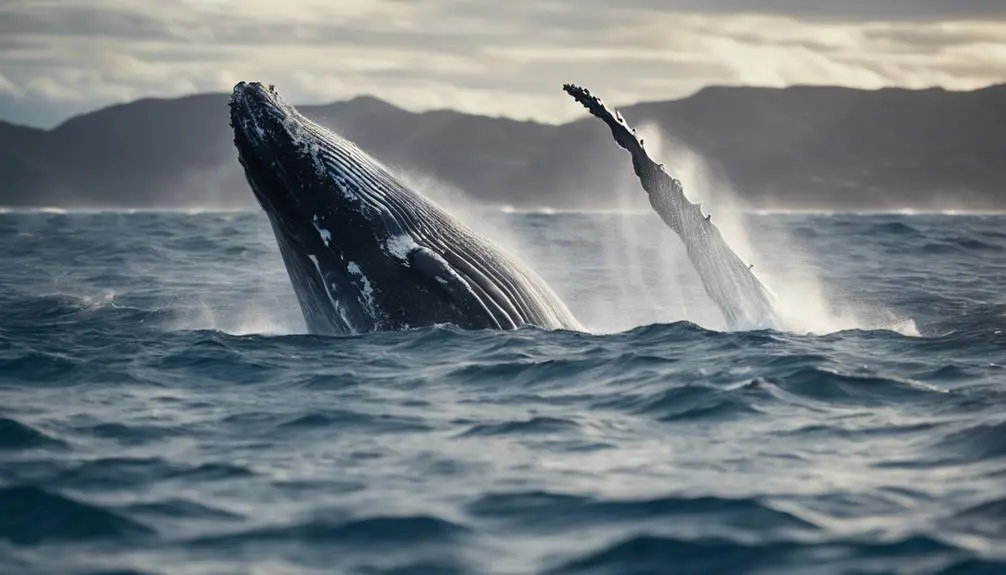
Humpback whales in Hawaii are known for their diverse vocalizations, ranging from moans and cries to the mesmerizing songs that captivate researchers and enthusiasts. Among these vocalizations, the songs of the male humpback whales stand out as the most iconic and intriguing. These majestic creatures, predominantly found in the North Pacific, are celebrated for their elaborate and melodious performances.
Male humpback whales in Hawaii are the primary singers, engaging in long and intricate vocal displays. Their songs aren't random but rather structured compositions with repeated patterns and themes. The songs of the Humpback in Hawaii are distinct to this region, showcasing variations similar to dialects in human languages.
These humpback whale songs in Hawaii can last an average of 10-20 minutes, with specific phrases repeated over extended periods. The songs evolve gradually over years, with subtle modifications and new additions to the existing themes. Interestingly, changes in the themes are collectively made by all group members, indicating a high level of social coordination and communication among the whales.
The complexity of humpback whale vocalizations mirrors their intelligence and social sophistication. Studying these enchanting songs not only offers insights into the behavior and communication patterns of these marine mammals but also underscores the beauty and diversity of the oceanic world.
The Cultural Significance of Whale Songs
Whale songs hold a profound cultural significance in Hawaii, serving as a powerful link between people and the natural world. These enchanting melodies from Humpback whales go beyond mere sounds; they carry the weight of tradition, history, and spirituality.

Let's delve into three key aspects that highlight why Hawaiian humpback whale songs are so culturally significant:
- Cultural Connection: Hawaiian humpback whale songs are deeply woven into the cultural tapestry of the islands, symbolizing a harmonious bond between humans and the vast ocean. Believed to convey messages from ancestral spirits, these songs bridge the gap between generations, fostering a sense of continuity and reverence for the past.
- Healing and Therapy: Beyond their melodic beauty, whale songs offer therapeutic benefits that reach far and wide. Integrated into healing music, these mesmerizing tunes have been utilized to promote relaxation, alleviate stress, and aid in physical and emotional healing. The calming sounds are believed to bring a sense of peace and equilibrium to individuals seeking solace.
- Artistic Expression: Through collaborative efforts between musicians and researchers, a fusion of whale songs with traditional Hawaiian music has given rise to a unique artistic expression. This blending not only showcases the cultural depth of the songs but also sparks creativity and innovation, reflecting the profound respect for nature and marine life within Hawaiian society.
How Humpback Whales Communicate in Hawaii
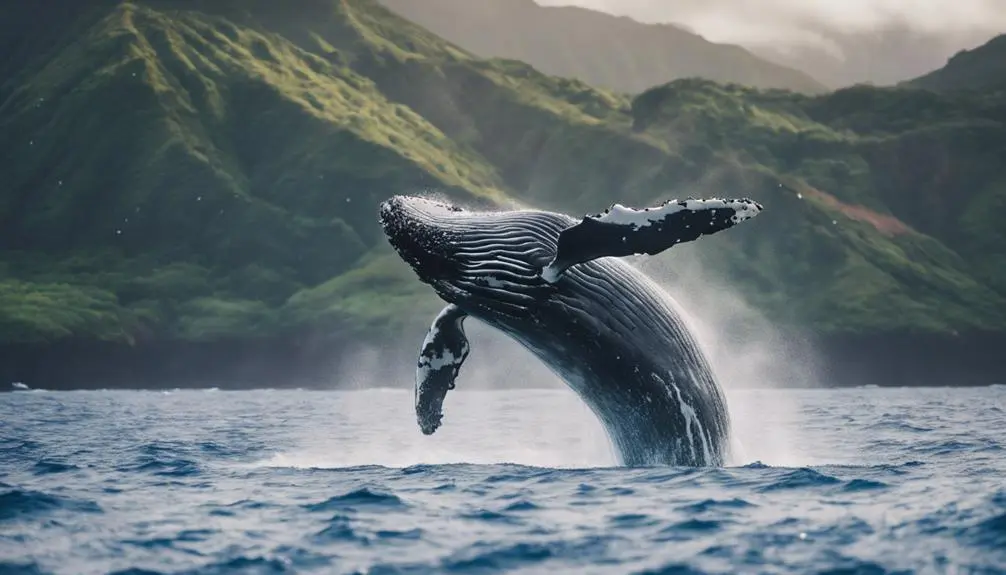
Beneath the vibrant waters surrounding Hawaii, humpback whales engage in a fascinating world of communication using a variety of vocalizations. These majestic creatures in Hawaii employ a diverse range of sounds like moans, cries, and howls to interact within their social groups. However, the most striking form of communication among male humpback whales in Hawaii is the captivating and lengthy whale songs they produce. These songs, lasting as long as 20 minutes, are exclusive to this region and play a vital role in their social interactions.
Hawaiian humpback whale songs stand out from those of other whale populations, showcasing unique regional variations and dialects. These songs evolve gradually over time, with modifications occurring as a collective effort within the whale community. Far from just being musical displays, these songs are crucial for communication, especially during mating rituals and possibly to establish dominance among males.
Exploring the intricacies of humpback whale songs and their significance provides valuable insights into the complex communication network and social dynamics of these creatures in Hawaii's waters. By delving into the world of humpback songs, researchers can uncover the mysteries surrounding these magnificent animals and their underwater environment.
Studying and Preserving Humpback Whale Songs
Studying and Preserving Humpback Whale Songs involves carefully analyzing the unique vocalizations of these magnificent creatures in Hawaii. This research helps us gain a deeper insight into their communication patterns and social interactions.
Key Points About Studying and Preserving Humpback Whale Songs:
- Comparative Analysis: Scientists study and compare Humpback whale songs from different populations to uncover distinct characteristics and variations. This exploration helps reveal the intricate differences and similarities in vocalizations among various groups of whales, enhancing our understanding of their communication complexities.
- Cultural Connections: The similarities found in Hawaiian and Tongan Humpback whale songs suggest potential cultural connections or shared ancestry between these populations. This emphasizes the importance of not only studying the sounds themselves but also considering the cultural significance they may hold for these marine mammals.
- Conservation Efforts: The Hawaii Whalesong Project plays a crucial role in recording and preserving Humpback whale songs in Maui. This initiative is vital for conserving these unique vocalizations as understanding the songs can guide better conservation strategies and protection measures for the whales and their habitats.
Frequently Asked Questions
What Are the Different Whale Song?
When you listen to the various whale songs, you'll be amazed by the intricate patterns and unique sounds they produce. Each type of whale has its own way of communicating through these songs, sending specific messages to others.
By understanding these distinctions, we gain valuable insights into how these magnificent creatures behave and interact with each other. Researchers can uncover a wealth of information about whales and their social dynamics by carefully analyzing the subtle nuances in their vocalizations.
Dive into the captivating world of whale communication and discover the wonders of these majestic beings!
What Is so Special About Humpback Whale Songs?
Humpback whale songs are truly something special due to their intricate structure, deep cultural ties, and ability to travel long distances. These tunes, lasting around 10-20 minutes, are made up of repetitive phrases woven together to form beautiful themes.
It's fascinating to note that Hawaiian and Tongan humpback songs have similarities, indicating a shared cultural heritage. These unique songs play a crucial role in communication, mating rituals, and social bonding among humpback whales in Hawaii, emphasizing their importance in the underwater world.
Which Whale Has the Most Beautiful Song?
When it comes to whale songs, the humpback whale is known for its mesmerizing tunes. These songs are famous for their haunting beauty and intricate complexity.
Humpbacks don't just sing; they weave emotionally stirring melodies that captivate listeners with their unique patterns and themes.

Many experts believe that the humpback whale has the most beautiful song in the ocean, showcasing the enchanting magic of nature's musical symphonies.
Do All Humpbacks Sing the Same Song?
Absolutely! In a specific group, all Humpback whales sing the same song, which is a shared and repeated vocalization among them. While there are variations in the structure and content of the song, certain core elements remain consistent.
These songs evolve slowly over time, with noticeable changes in phrases and themes. Scientists study songs from various regions to understand the differences and similarities in Humpback whale communication, providing insights into their communication patterns.
Conclusion
Dive into the captivating realm of humpback whale songs in Hawaii and uncover the magic of their unique melodies and cultural significance.
These majestic creatures communicate through a variety of vocalizations, offering a glimpse into their fascinating interactions.
Ongoing research and conservation efforts help us appreciate and safeguard the beauty of humpback whale songs in Hawaiian waters.
Explore deeper into the mesmerizing tunes these whales create and unlock the secrets they hold.
