

Picture this: Hawaii's iconic humpback whales are facing a changing ocean environment, their future uncertain as climate patterns shift.
Balancing the impacts of climate change with the preservation of these magnificent creatures in Hawaii presents complex challenges that call for innovative solutions.
By delving into the intricate relationship between environmental changes and whale behaviors, we can pave a way forward to ensure the protection of these majestic animals for future generations to cherish.
Key Takeaways
When we consider the challenges that Hawaii's humpback whales are up against due to climate change, it's like witnessing a fragile ballet where their very survival is on the line, intricately connected to various ecosystems.
Through vigilant monitoring, adaptation, and collaborative efforts, we can ensure the resilience and health of these majestic creatures. Let's allow scientific research to guide our conservation initiatives and utilize data-driven decisions to safeguard the breeding grounds and overall well-being of Hawaii's humpback whales for the generations to come.
Impact on Humpback Whale Migration Patterns
The migration patterns of humpback whales are being significantly affected by the warming sea surface temperatures linked to climate change. These majestic creatures, known for their long journeys between feeding and breeding grounds, are now facing challenges due to the changing seas they travel through. As the ocean temperatures rise, the distribution of prey species shifts, prompting humpback whales to find new paths to their traditional breeding areas. The ideal sea surface temperature range for humpback whale breeding falls between 21 and 28 degrees Celsius. However, climate projections suggest that by the year 2100, many of the humpback whale breeding grounds may surpass this optimal range, potentially disrupting their breeding behaviors.
With the ongoing influence of warming seas on humpback whale migration, it becomes crucial to focus on conservation efforts to monitor and comprehend these changes. Tracking the movements of humpback whales is key to ensuring their survival in the face of evolving environmental conditions. By studying the impact of climate change on humpback whale migration patterns, conservationists can better anticipate potential shifts in their migration routes and breeding grounds, enabling proactive measures to safeguard these magnificent marine creatures. Preserving the delicate balance of humpback whale migration is essential for the overall health of the marine ecosystems they call home.
Ocean Acidification and Humpback Whales
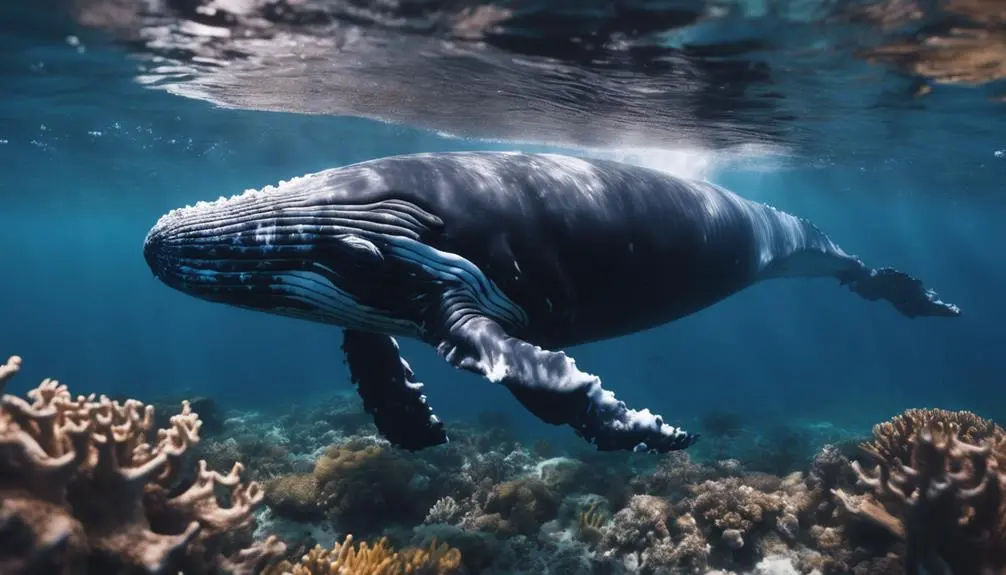
Understanding and keeping an eye on ocean acidification levels is crucial for protecting humpback whales in Hawaii. Ocean acidification, caused by absorbing more CO2, poses serious threats to these majestic creatures by changing their food sources and damaging their habitats. This disruption in the marine ecosystem can have a ripple effect on the food chain, potentially leading to a decrease in prey species that are essential for the survival of humpback whales.
Research indicates that ocean acidification can alter the chemical makeup of the waters where humpback whales find their food and raise their young. The impact on prey species could indirectly affect the health and reproduction of humpback whales. Therefore, it's vital to closely monitor ocean acidification levels to accurately assess how it's affecting humpback whales in Hawaii. By doing so, we can better understand and address the challenges these whales face in their changing environment.
Rising Sea Temperatures and Whales
The impact of rising sea temperatures on humpback whale breeding grounds in Hawaii is a critical concern for conservation efforts. Humpback whales depend on specific sea surface temperatures between 21 and 28 degrees Celsius to breed successfully. However, the looming threat of climate change raises fears that these essential thresholds could be exceeded due to global warming.
Recent research using statistical delta downscaling techniques has shed light on the potential consequences of increasing sea temperatures on humpback whale breeding areas. Projections indicate that with a high emission scenario, as many as 67 breeding grounds could surpass the crucial 28-degree threshold by 2100. This could pose serious risks to the humpback whale population in Hawaii.
To prevent these vital breeding grounds from becoming too warm for humpback whales, urgent action to reduce emissions is necessary. By proactively addressing climate change through measures like transitioning to renewable energy sources and adopting sustainable practices, we can protect the future of humpback whales in Hawaii.

Safeguarding these majestic creatures and their breeding habitats is essential to ensure their long-term survival in the face of rising sea temperatures driven by global warming.
Altered Prey Availability for Humpbacks
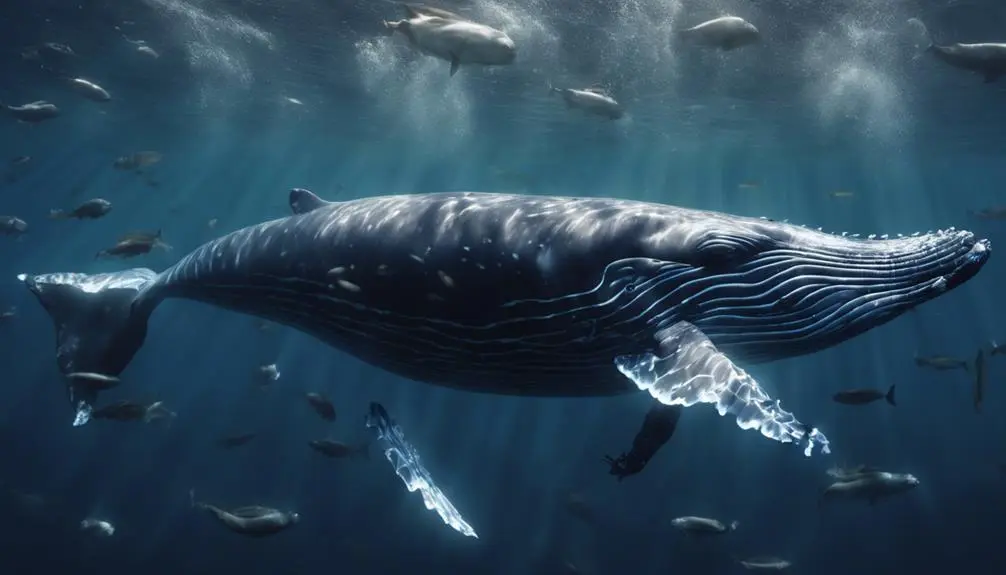
Changes in ocean temperatures are creating challenges for humpback whales when it comes to finding food. With climate change affecting the marine environment, the availability and distribution of prey species in Hawaiian waters, where humpback whales breed, are being altered. This disruption can impact how humpback whales hunt for food, affecting their energy levels and overall well-being.
As the ocean temperatures shift, the prey that humpback whales rely on may move to different areas or experience changes in population size. This means that humpback whales might have to change their feeding habits to adapt. They could end up having to travel longer distances to find food or even explore new feeding grounds, which could affect their ability to breed successfully and influence their population numbers.
Keeping a close eye on these changes in prey availability is crucial to understanding how climate change is affecting the feeding behavior of humpback whales. By studying these patterns, conservationists can assess the potential risks facing humpback whales and develop targeted strategies to protect them as ocean conditions change. Safeguarding the prey sources of humpback whales is essential for ensuring the long-term health and survival of this iconic species in Hawaiian waters.
Adapting Conservation Efforts for Climate Change
Addressing the impacts of climate change on humpback whale populations requires proactive adaptation strategies to protect their habitats and well-being. Studies suggest that by 2100, up to 67 humpback whale breeding grounds could face critical temperature levels under high emission scenarios. However, efforts to reduce emissions have the potential to lower this number to 35, emphasizing the urgent need for policymakers at local and international levels to act swiftly in implementing emission reduction measures to safeguard the crucial marine environments for humpback whales.
Mitigating the effects of climate change on vulnerable humpback whale populations is crucial. Timely implementation of mitigation strategies is essential to prevent critical temperature thresholds from being exceeded. By adjusting conservation efforts to address the challenges posed by climate change, we can work towards ensuring the long-term survival of these magnificent marine mammals.
Through a collective effort to cut emissions and introduce adaptive conservation measures, we can enhance the resilience of humpback whale habitats and minimize the threats they face from changing environmental conditions. This proactive approach is vital in securing the future of humpback whales in the midst of a rapidly changing climate.
Frequently Asked Questions
What Is Being Done to Protect Humpback Whales?
Protecting humpback whales involves a variety of actions. Keeping a close eye on their well-being and potential threats, organizing rescue missions for tangled whales, and encouraging the public to report sightings and treat these magnificent creatures with care are all essential.
Effective conservation heavily relies on the cooperation between scientists, policymakers, and local communities. By adhering to guidelines and staying informed, you actively contribute to the preservation of humpback whale populations.
How Are Humpback Whales Being Affected by Climate Change?
Climate change poses significant challenges for humpback whales. The rising sea surface temperatures are disrupting their breeding habitats, which could have a negative impact on their population numbers. Studies suggest that many breeding grounds may surpass critical temperature levels by 2100.
It's crucial to take action to reduce these effects. Conservation efforts are essential to protect humpback whales and the marine ecosystems they inhabit. Safeguarding these magnificent creatures from the consequences of climate change is vital for their survival and the well-being of the oceans.
How Successful Is the Conservation of Humpback Whales?
When it comes to humpback whale conservation, the progress has been truly impressive! Thanks to collaborative efforts among experts, humpback whale populations in many areas have seen significant recoveries.

Despite these successes, challenges such as ship strikes and pollution continue to pose threats to these magnificent creatures. By working together to address these issues, we can ensure the long-term survival of humpback whales.
Your support in these conservation initiatives is vital for the ongoing protection of these majestic animals.
What Environmental Threats Are Impacting the Hawaiian Islands Humpback Whale National Marine Sanctuary?
The Hawaiian Islands Humpback Whale National Marine Sanctuary faces various environmental threats like ship strikes, fishing gear entanglements, and habitat degradation. These dangers put the humpback whales at risk within the sanctuary. Human activities and changes in the environment add to the challenges these majestic creatures encounter.
It's vital to monitor these risks closely to protect the whales' well-being and address any potential dangers. Conservation initiatives focus on reducing risks and safeguarding the whales' habitat to ensure their preservation.
Conclusion
When we think about the challenges that Hawaii's humpback whales are facing due to climate change, it's like watching a delicate dance where their future is at stake, intricately tied to various ecosystems.
By closely monitoring, adapting, and working together, we can secure the strength and well-being of these magnificent creatures.
Let's allow science to lead our conservation endeavors and use data to make informed choices that protect the breeding grounds and overall health of Hawaii's humpback whales for the generations ahead.
