

Protecting Hawaii's humpback whales isn't as simple as tossing a message in a bottle into the ocean. The reality is much more complex. From Marine Protected Areas to International Conservation Partnerships, the efforts to safeguard these majestic creatures are as diverse as the ocean they inhabit.
But what really makes a difference? Let's dive into how each initiative plays a role in the well-being of Hawaii's humpback whales and the marine environment they call home.
Key Takeaways
If we want Hawaii's humpback whales to thrive and ensure the health of their ocean homes, it's vital to keep backing conservation efforts. One successful approach has been setting up marine protected areas, which have boosted whale numbers and lessened threats to their habitats. By actively supporting these projects and promoting responsible behaviors, we play a key role in safeguarding these majestic creatures for the next generations. Let's stay dedicated to protecting Hawaii's humpback whales!
Marine Protected Areas
Marine Protected Areas play a crucial role in protecting Hawaii's humpback whales and their habitats. One significant area is the Hawaiian Islands Humpback Whale National Marine Sanctuary, which helps conserve these magnificent creatures. By setting aside specific areas as marine protected zones, authorities can control human activities to reduce disruptions and safeguard the environments necessary for the well-being of humpback whales.
These protected areas act as safe havens for marine life, providing essential spaces for feeding, breeding, and nurturing activities crucial for humpback whale populations. The Hawaiian Islands Humpback Whale National Marine Sanctuary, along with other similar areas, supports research, education, and conservation efforts aimed at ensuring the long-term survival of these whales. Through the establishment and management of marine protected areas, a comprehensive strategy is implemented to protect humpback whales in Hawaii and beyond, laying the groundwork for their future survival and prosperity.
Conservation efforts within marine protected areas aren't only vital for humpback whales but also contribute to the preservation of overall marine biodiversity. By safeguarding these critical habitats, we're fostering a sustainable future for these majestic creatures and the marine ecosystems they inhabit. Marine protected areas serve as important hubs where scientific knowledge and dedicated conservation work come together to secure the well-being of humpback whales and their habitats.
Research and Monitoring Programs
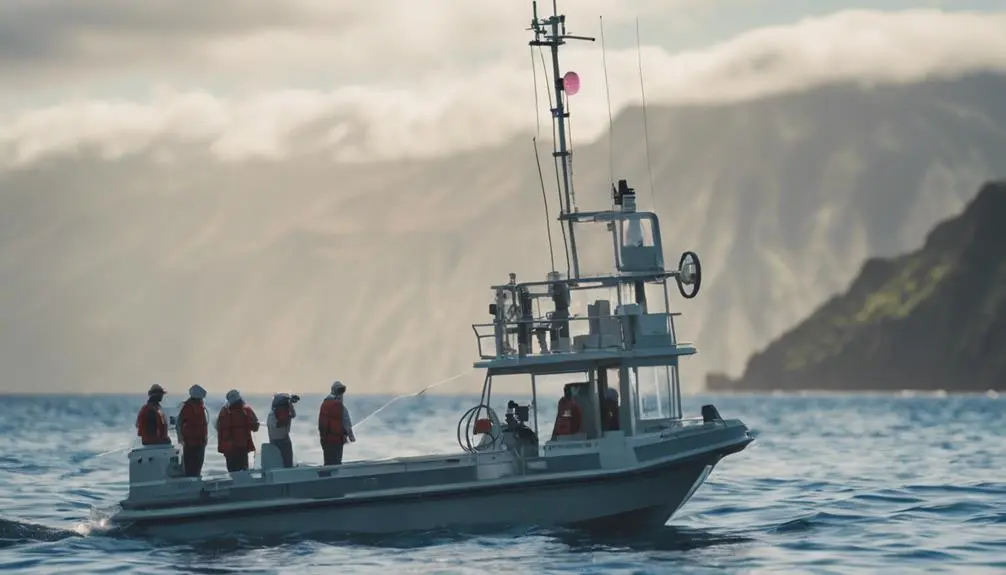
Research and monitoring programs play a vital role in understanding the behaviors and migration patterns of humpback whales in the Hawaiian Islands Humpback Whale National Marine Sanctuary.
These initiatives offer valuable insights into population trends, reproductive success, and the overall health of humpback whales in the area.
The data gathered through these programs are essential for developing conservation strategies and making informed management decisions to safeguard these magnificent marine mammals.
Data Collection Methods
When it comes to protecting Hawaii's humpback whales, a variety of methods are used to gather crucial data for conservation efforts. These methods include:
- Photo-identification: By tracking individual humpback whales through unique markings on their flukes and dorsal fins, researchers can monitor their movements and behavior over time.
- Acoustic monitoring: Scientists study the vocalizations of humpback whales to gain insights into their behavior, communication patterns, and social interactions in the ocean.
- Satellite tagging: This method provides valuable information on the migration routes, feeding grounds, and group dynamics of humpback whales, helping conservationists understand their movements and habitats better.
- Aerial surveys: By conducting aerial surveys, researchers estimate population sizes, observe group behaviors, and identify critical habitats that need protection for the humpback whales.
These data collection techniques not only enhance our understanding of humpback whales but also play a vital role in shaping effective conservation strategies to ensure the welfare of these majestic creatures in Hawaiian waters.
Impact Assessment Results
The research conducted in the Hawaiian Islands Humpback Whale National Marine Sanctuary, using acoustic recordings and satellite tagging, offers valuable insights into the behaviors and movements of humpback whales. These assessments are vital for evaluating the effectiveness of conservation measures aimed at reducing human disturbances in the whales' critical habitat.

By monitoring population trends, distribution patterns, and health indicators, these programs help assess the overall well-being of humpback whales in Hawaiian waters. Ongoing research efforts are focused on understanding the specific impacts of climate change, ocean pollution, and human activities on these majestic creatures, guiding the development of targeted conservation strategies.
The sanctuary's commitment to research and monitoring ensures that decisions are based on evidence and that adaptive management practices are in place to protect and conserve humpback whales effectively.
Whale Entanglement Response Teams
Dealing with the pressing issue of whale entanglement, it's crucial to recognize the vital role that response teams play in rescuing these magnificent animals.
The first step in aiding the rescue efforts is to promptly report any entangled whales to the NOAA Fisheries Hotline at (888) 256-9840.
Providing detailed information and safe distance observations is key to helping response teams assess and address entanglement situations effectively.
Prevention Strategies
Tips for Preventing Humpback Whale Entanglements
When it comes to safeguarding humpback whales from entanglements, quick and well-coordinated actions from specialized teams are key. To help protect these magnificent creatures, here are some essential prevention strategies:
- Prompt Reporting: If you see an entangled whale, reach out to the NOAA Fisheries Hotline at (888) 256-9840 right away.
- Share Clear Details: Provide precise information and photos from a safe distance to help assess the entanglement accurately.
- Avoid Misinformation: To aid in response efforts, ensure that your reports are accurate and reliable.
- Team Training and Coordination: Effective response to entanglements relies on well-trained and coordinated teams dedicated to this important task.
Rescue and Rehabilitation
Whale entanglement response teams play a vital role in rescuing and rehabilitating humpback whales caught in fishing gear or marine debris. These dedicated teams carefully evaluate entangled whales, quickly report incidents, and coordinate rescue operations to ensure the safety of these magnificent creatures. Promptly reporting entanglements to trained professionals is crucial to prevent further harm to the whales.
The specialized training and expertise required to respond effectively to entanglement incidents underscore the importance of these teams. Collaboration between whale entanglement response teams and conservation organizations is key to successfully rescuing and rehabilitating humpback whales. Thanks to their unwavering commitment and knowledge, these teams make a significant impact on the conservation of Hawaii's humpback whale population.
Community Outreach and Education
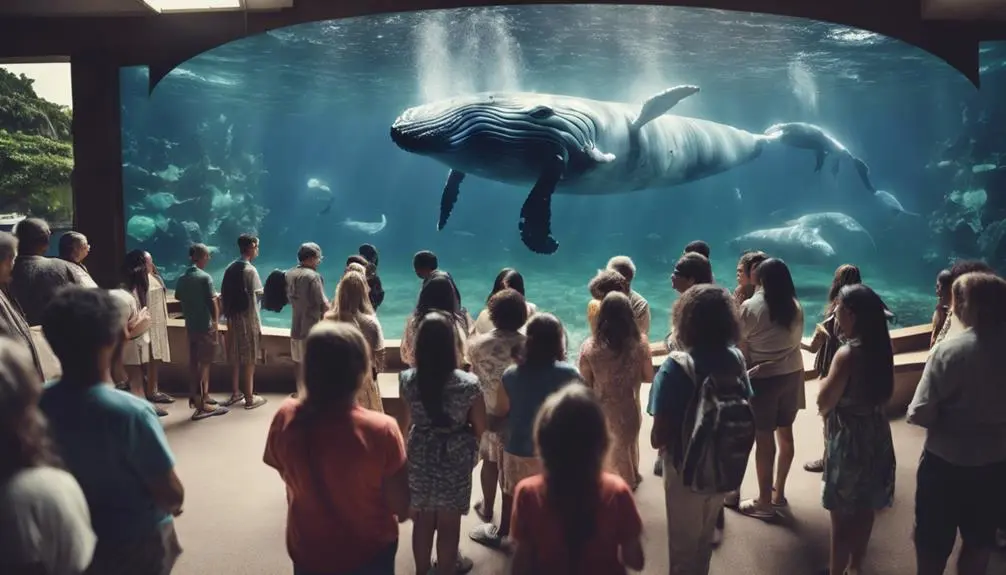
Hawaiʻi Wildlife Fund actively involves both locals and tourists in their community outreach programs focused on humpback whale conservation. These initiatives are key in deepening people's understanding of marine conservation and the significance of protecting these majestic creatures.
Let's take a look at four main elements of HWF's outreach and education efforts:
- Varied Educational Activities: HWF organizes school presentations, beach clean-ups, and workshops to raise awareness about humpback whale protection and the importance of marine conservation efforts.
- Engagement through Events and Media: By hosting events and running social media campaigns, HWF effectively connects with communities, reaching a wider audience including locals and tourists to actively participate in humpback whale conservation.
- Volunteer Opportunities: HWF offers volunteer programs that enable individuals to directly contribute to whale protection initiatives. This hands-on approach not only boosts community engagement but also nurtures a sense of responsibility towards marine conservation.
- Collaborative Partnerships: Working with schools, businesses, and organizations, HWF strengthens the impact of their educational programs. These partnerships help expand the reach of educational initiatives, ensuring a broader audience is educated on the importance of humpback whale conservation.
HWF's community outreach plays a vital role in fostering a culture of respect and stewardship towards humpback whales and their marine habitat. Through active engagement with communities, HWF is actively making a tangible difference in the conservation of these magnificent creatures.
Enforcement of Conservation Regulations
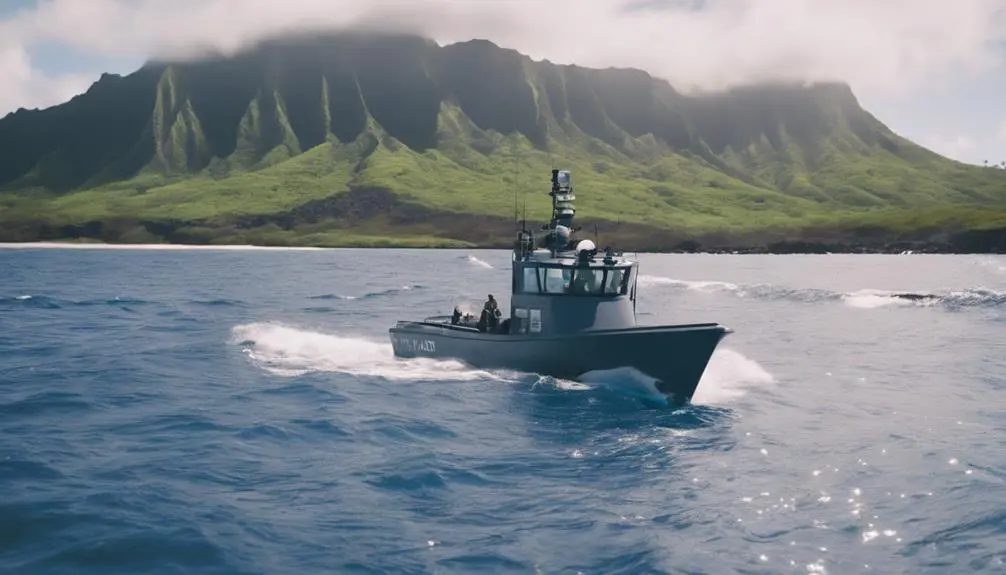

Let's push for better monitoring systems and tougher penalties for those who break conservation rules to safeguard Hawaii's humpback whales effectively. By making sure these regulations are enforced rigorously, we can guarantee the protection and welfare of these magnificent creatures.
Together, we can create a safer habitat for humpback whales and ensure their conservation for the enjoyment of future generations. Let's stand up for these gentle giants and make a difference!
Stronger Monitoring Systems
Improving monitoring systems for humpback whales in Hawaii is crucial for better enforcing conservation rules and safeguarding these magnificent marine creatures and their habitats.
These enhanced monitoring systems can help keep track of how well people adhere to the safe distance guidelines around humpback whales, minimizing potential disturbances to their natural behavior.
By incorporating technologies like drones and satellite tracking, monitoring can offer insights into whale activities and human interactions, aiding in conservation efforts.
Monitoring systems yield essential data on vessel traffic patterns and potential threats to humpback whales, allowing for proactive measures to be taken.
With improved monitoring in place, timely interventions and enforcement actions can be implemented to safeguard humpback whales and their crucial environments.
Harsher Penalties for Violators
To protect humpback whales effectively, it's vital to impose stricter penalties on those who violate conservation regulations. By increasing fines to as much as $100,000 and the possibility of a year in prison, we send a clear message that these majestic creatures must be respected.
Enforcement measures focus on preventing activities like getting too close to whales or entering restricted zones. Violations can result in hefty fines, seizing of vessels, and even criminal charges under the Marine Mammal Protection Act.
Enhanced surveillance efforts are key to identifying and prosecuting individuals or vessels that pose a threat to humpback whales. Collaboration among enforcement agencies, conservation groups, and the community is crucial in ensuring the protection of humpback whales in Hawaiian waters.
Strengthening penalties and enforcing regulations are essential steps in safeguarding these iconic marine animals.
Habitat Restoration Initiatives
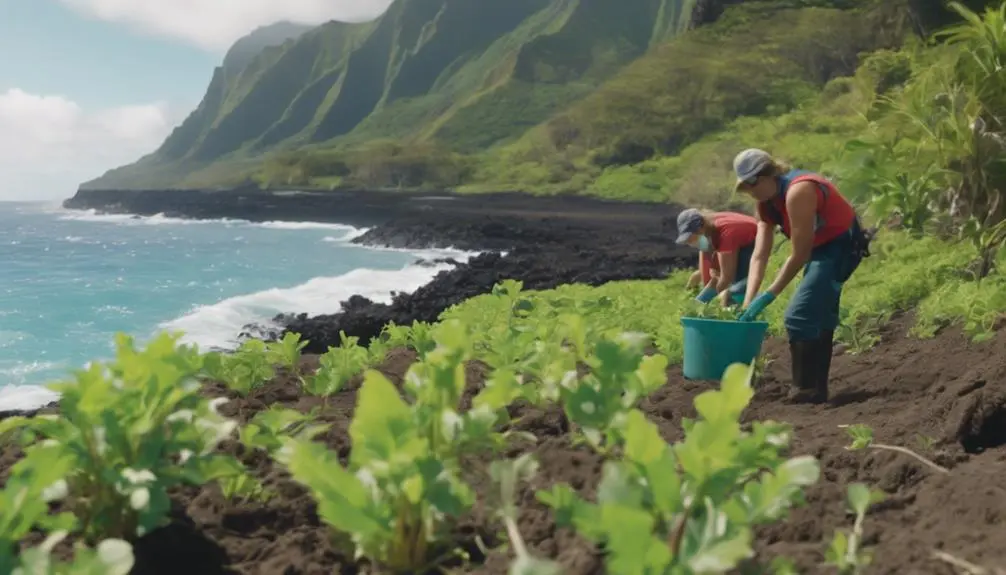
Working hand in hand with local communities and stakeholders is crucial for the success of habitat restoration projects aimed at preserving the vital breeding and calving areas for Hawaii's humpback whales. These initiatives are key to ensuring the long-term survival of the Hawaiian Islands Humpback Whale population.

The main focus of these restoration efforts is to protect the critical breeding and calving areas in Hawaii that are essential for the humpback whales. By restoring and safeguarding nearshore habitats, we aim to create a conducive environment for humpback whale reproduction. These projects also aim to enhance the quality and availability of resources necessary for the survival of these majestic creatures.
In addition, part of the restoration work involves implementing conservation measures and promoting sustainable practices to reduce human impact on humpback whale habitats. By collaborating with local communities and stakeholders, we can work together towards the common goal of preserving Hawaii's humpback whales for generations to come.
Through these habitat restoration initiatives, we strive to ensure that Hawaii's humpback whales have the resources they need to thrive. Let's continue our efforts to protect and restore their habitats, safeguarding their breeding and calving grounds for a sustainable future.
Collaboration With Local Fishermen
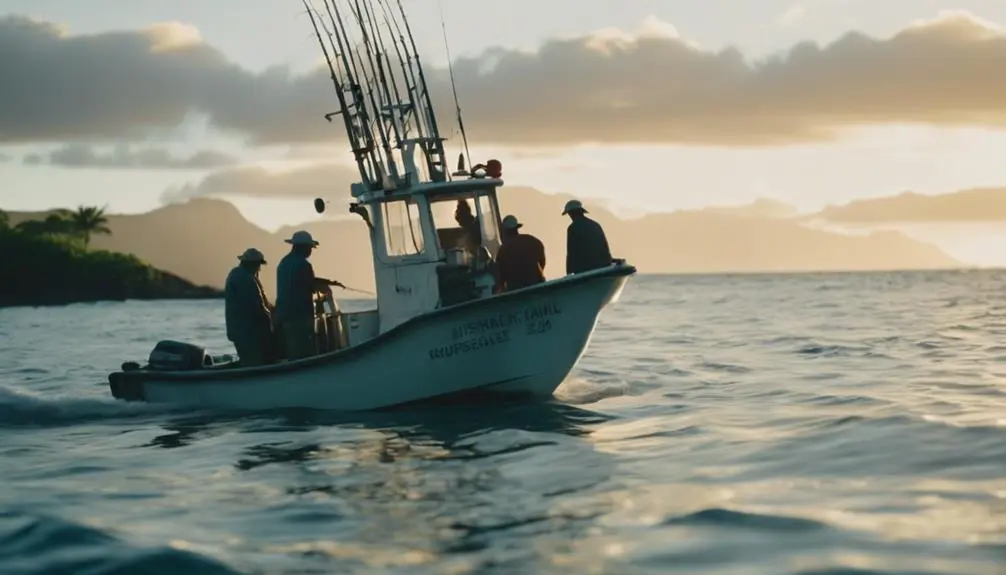
Local fishermen in Hawaii actively collaborate with conservation organizations such as Hawaiʻi Wildlife Fund to protect humpback whales from entanglement risks in fishing gear. This partnership is essential for the ongoing conservation efforts aimed at safeguarding these magnificent marine mammals. By joining forces, fishermen and conservationists can ensure the well-being of whales while promoting sustainable fishing practices in the region.
The joint initiatives between local fishermen and conservation groups focus on studying whale behavior and migration patterns. This valuable information helps in devising effective strategies to minimize the chances of whales getting caught in fishing gear. By sharing their deep knowledge of the ocean and its inhabitants, fishermen significantly contribute to the conservation of humpback whales in Hawaiian waters.
The collaboration between fishermen and conservation organizations also improves the understanding of interactions between whales and fisheries. Through this teamwork, solutions are being developed to reduce the impact of human activities on humpback whales. By combining traditional fishing wisdom with scientific research, these partnerships are crucial for the long-term protection of whales and the marine ecosystem.
Together, through shared expertise and a mutual dedication to conservation, local fishermen and organizations strive for a future where humpback whales can flourish in their natural habitat without the threat of harm from fishing operations. This collaborative approach stands as a cornerstone of effective conservation endeavors for these iconic marine species.
Climate Change Mitigation Strategies
Addressing the challenges faced by humpback whale populations due to climate change requires strategic mitigation efforts. Climate change is putting marine ecosystems, crucial for humpback whale conservation, at risk.
Here are four key strategies to tackle these challenges:
- Creating Marine Protected Areas (MPAs): By establishing MPAs, we can provide safe spaces for humpback whales, shielding their habitats from human disturbances and other threats intensified by climate change.
- Reducing Carbon Emissions: It's essential to cut down carbon emissions to combat ocean acidification, which can harm the prey of humpback whales, disrupting the food chain and impacting their survival.
- Conducting Research on Climate Change Impacts: Supporting detailed research on how climate change influences humpback whale migration and breeding behaviors is vital for developing targeted conservation plans.
- Developing Adaptation Strategies for Climate Change: Collaborating with local communities and stakeholders to create adaptive strategies can help humpback whales adapt to the changing environment and ensure their long-term survival.
These focused efforts are crucial for a holistic approach to humpback whale conservation in Hawaii, emphasizing the urgent need to address climate change impacts on these iconic marine mammals.
Sustainable Whale Watching Practices
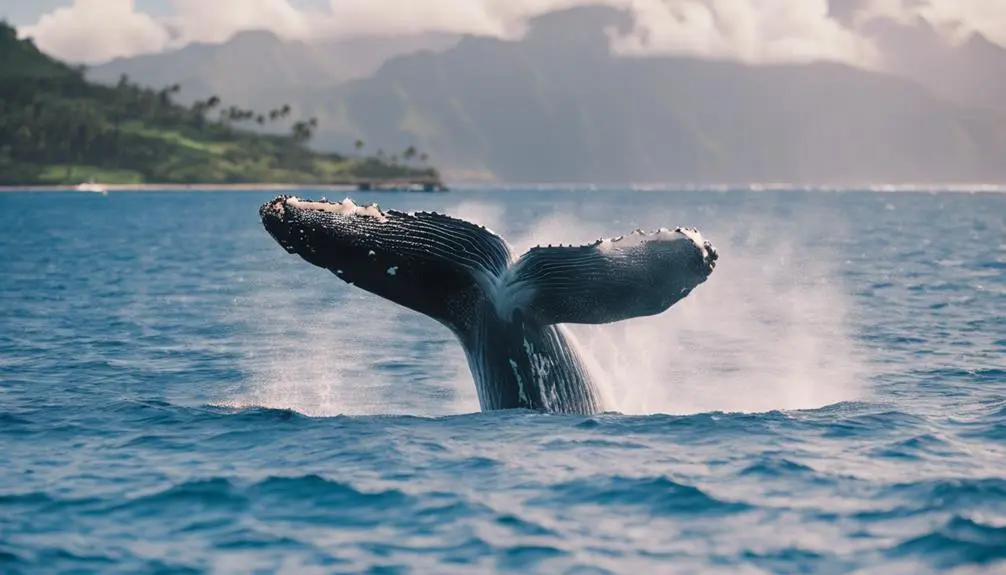
When it comes to whale watching in Hawaii, it's crucial to follow sustainable practices to protect these magnificent creatures like humpback whales. Respecting their space is key, so remember to keep a safe distance of at least 100 yards to avoid disturbing their natural behaviors. Slowing down your boat to 15 knots or less can also help prevent accidents and keep both the whales and watchers safe.
In Hawaii, strict guidelines are in place to safeguard humpback whales, especially when they've vulnerable offspring. By abiding by these rules, you play a vital role in conserving these majestic animals. Respectful whale watching goes beyond physical distance; it involves being mindful of noise levels, avoiding sudden movements, and not overcrowding the viewing areas. These actions show compassion for Hawaii's marine environment and its inhabitants.

Supporting local organizations focused on humpback whale conservation is another way to actively contribute to their well-being. By embracing sustainable whale watching practices, you become a guardian of the marine ecosystem, ensuring the protection of humpback whales for future generations to enjoy.
International Conservation Partnerships
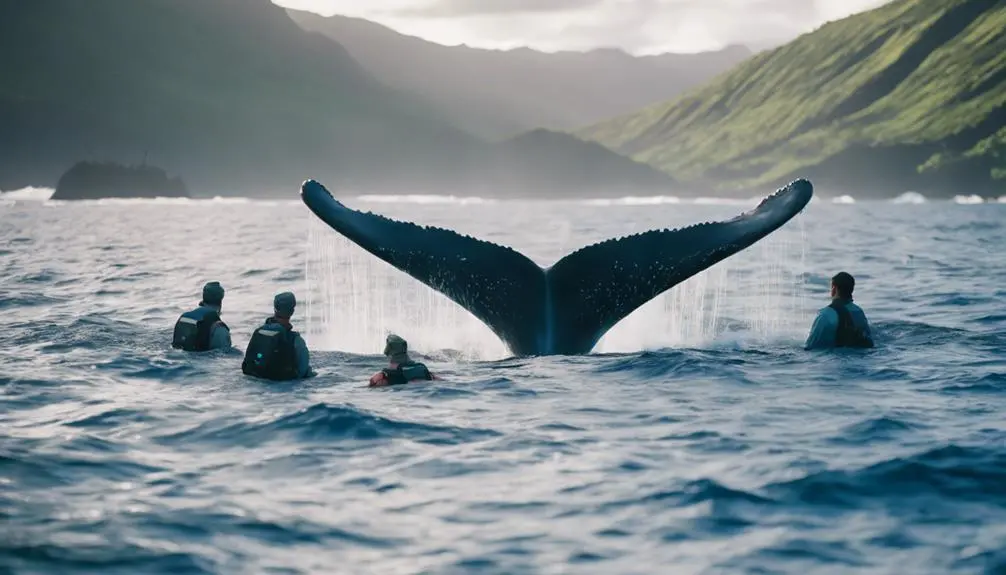
When it comes to safeguarding humpback whales and their ocean homes, international conservation partnerships play a crucial role. Working together on a global scale is key to ensuring these magnificent creatures are protected for generations to come. Through collaboration, we can build a strong support network that transcends boundaries and unites efforts for humpback whale conservation.
4 Essential Points on International Conservation Partnerships:
- Establishment of the Hawaiian Islands Humpback Whale National Marine Sanctuary: Back in 1997, the Hawaiʻi Wildlife Fund was instrumental in establishing this sanctuary, offering a safe haven for humpback whales in the Hawaiian Islands.
- Collaborative Efforts with Sanctuary Advisory Council: By partnering with groups like the Sanctuary Advisory Council, the HWF continues to lead conservation projects and advocate for sustainable practices.
- Expert Guidance on Whale Watches: HWF naturalists provide expert commentary and insights during whale watching expeditions, enriching the educational experience for visitors and nurturing a deeper understanding of marine life.
- Educational Initiatives on Marine Life: Teaming up with organizations like Kai Kanani Sailing, the HWF supports educational programs focused on marine life, raising awareness and backing conservation endeavors for humpback whales.
Frequently Asked Questions
What Is Being Done to Protect Humpback Whales?
Protecting humpback whales involves a range of efforts such as conducting research, monitoring their populations, and conserving their habitats.
Educational programs aim to increase awareness about the challenges these whales encounter.
Collaborative management is key to implementing effective protection strategies.
Your support for these initiatives can play a crucial role in safeguarding these magnificent creatures.
Let's work together to preserve the marine environment for the well-being of humpback whales and the ecosystems they rely on.
How Successful Is the Conservation of Humpback Whales?
If you're curious about how well humpback whale conservation is going, let's dive into the progress.
Thanks to conservation efforts like bans on hunting and protective laws, humpback whale populations have significantly rebounded. These actions play a vital role in protecting these magnificent creatures.
With ongoing commitment to conservation, we've achieved significant milestones in securing the future of humpback whales for generations to come.
What Is the Conservation Status of the Humpback?
The humpback whale's conservation status is still a cause for concern, despite some positive strides. While current populations are showing signs of recovery, it's crucial to maintain efforts to ensure their long-term survival. Persistent threats like getting caught in fishing gear, habitat degradation, and the impacts of climate change continue to pose challenges.
To support the humpback whales, collaborative research, stricter regulations, and raising public awareness are key. Your commitment to safeguarding these majestic creatures is essential for their future well-being.
What Environmental Threats Are Impacting the Hawaiian Islands Humpback Whale National Marine Sanctuary?

The Hawaiian Islands Humpback Whale National Marine Sanctuary faces several environmental threats. These include:
- Humpback whales getting tangled in marine debris and fishing gear
- Collisions with vessels
- Disturbance from ocean noise affecting their communication and behavior
- Pollution from oil spills and plastic waste harming the marine ecosystem
- The long-term impacts of climate change like rising sea temperatures and extreme weather events
These dangers put the humpback whale population at risk in the sanctuary, necessitating effective conservation efforts to safeguard their habitat.
Conclusion
To ensure the survival of Hawaii's humpback whales and the well-being of their marine environment, it's crucial to continue supporting conservation efforts.
One effective strategy has been the establishment of marine protected areas, which have led to a notable increase in whale populations and a reduction in threats to their habitats.
By actively engaging in these initiatives and advocating for responsible practices, we can actively contribute to safeguarding these magnificent creatures for the benefit of future generations.
Let's stay committed to protecting Hawaii's humpback whales!
